
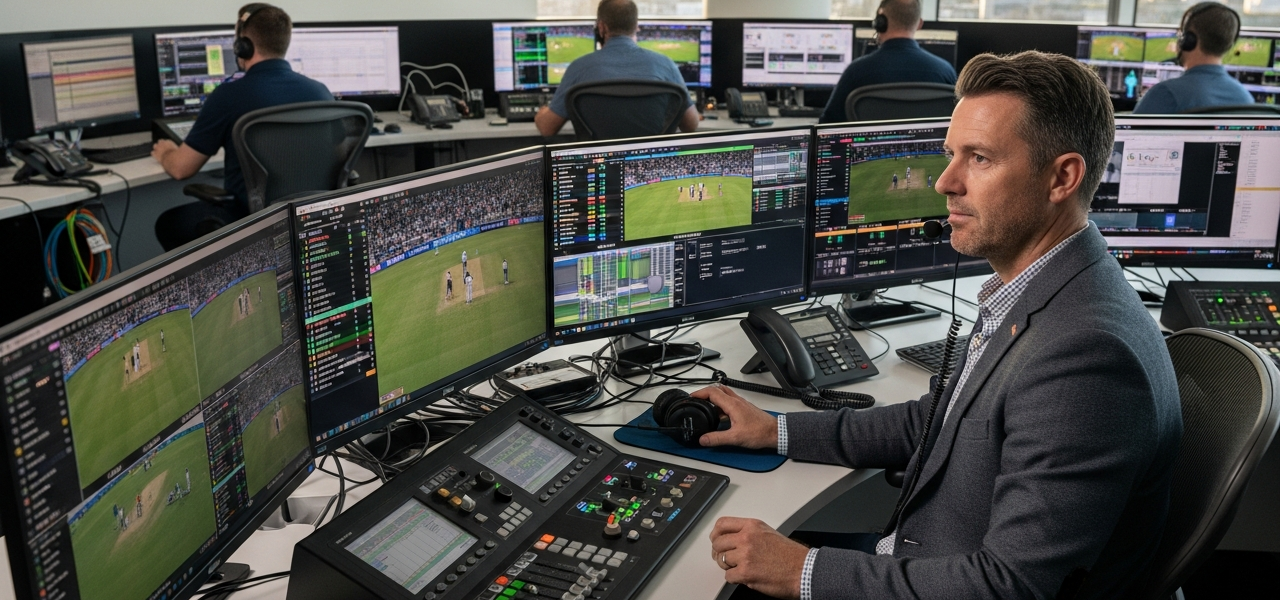
Live bet delay explanations during high-traffic matches
When the IPL’s marquee clashes draw audiences exceeding 375 million viewers, the sheer scale of India’s cricket fever creates an unexpected battleground for live betting enthusiasts. Peak matches featuring Mumbai Indians versus Chennai Super Kings or Royal Challengers Bangalore can push viewership beyond 500 million, making the IPL one of the world’s most-watched sporting events in real-time.
These astronomical viewer numbers create a perfect storm of technical challenges that frustrate bettors attempting to place live wagers during crucial moments. The delays that plague live betting during high-traffic IPL matches stem from three primary sources: broadcast transmission lag inherent to satellite feeds, server overload from unprecedented traffic spikes, and deliberate exploitation tactics employed by sophisticated betting syndicates. Understanding these delay mechanisms becomes crucial as live betting continues to dominate the Indian sports wagering landscape.
What Causes Live Betting Delays in IPL Matches?
Live betting delays during IPL matches result from a complex interplay of broadcast technology limitations and infrastructure strain. The fundamental issue begins with broadcast transmission lag, which ranges from 2-8 seconds even under optimal conditions, creating an inherent delay between live action and what viewers see on their screens.
High traffic overload compounds these delays significantly when 500+ million viewers simultaneously access streaming platforms and betting sites. The unprecedented scale of IPL viewership pushes content delivery networks beyond their designed capacity, creating cascading delays that affect both video streaming and betting platform responsiveness.
Understanding the distinction between betting platform delays and streaming delays becomes essential for bettors. While broadcast lag affects all viewers equally, betting-specific delays can vary dramatically based on server location, traffic routing, and platform infrastructure quality during peak IPL viewing periods.
Broadcast Transmission Lag Basics
- Live signal travels from stadium venue to satellite uplink facility, adding 1-2 seconds of initial delay
- Satellite transmission to broadcast centers introduces another 2-4 seconds of latency depending on orbital positioning
- Signal processing and encoding at broadcast facilities adds 1-3 seconds for quality optimization and censorship compliance
- Distribution through cable networks or OTT platforms introduces final 2-5 seconds before reaching end users
- Additional buffering on user devices can extend total delay to 8-12 seconds during high-demand periods
Peak Viewership Impact on Delays
The 2024 IPL season recorded peak simultaneous viewership of 375-500 million users during high-stakes matches, creating unprecedented strain on India’s digital infrastructure. These numbers represent nearly 40% of India’s total population attempting to access cricket content simultaneously, far exceeding the designed capacity of most content delivery networks.
Peak viewership creates exponential rather than linear increases in system delays, as servers begin queuing requests and implementing traffic management protocols. During the 2024 IPL final, major streaming platforms reported average delays increasing from 3-4 seconds to 12-15 seconds due to traffic management systems prioritizing connection stability over real-time delivery.
Technical Reasons for Bet Delays During IPL High Traffic
| Delay Cause | Explanation | IPL Impact | Duration |
|---|---|---|---|
| CDN Overload | Content delivery networks reach capacity limits | Severe during playoffs and finals | 5-15 seconds |
| Server Congestion | Database queries slow due to concurrent user load | Affects all major betting platforms | 3-8 seconds |
| Bitrate Throttling | Automatic quality reduction to maintain connections | Widespread during peak evening matches | 2-6 seconds |
| Buffer Overflow | Data packets accumulate faster than processing speed | Common in tier-2 cities with limited bandwidth | 4-12 seconds |
| API Rate Limiting | Protective measures restrict betting request frequency | Implemented during traffic spikes | 1-5 seconds |
Server congestion becomes the primary technical bottleneck during high-traffic IPL scenarios, as betting platforms experience sudden traffic spikes that can increase user load by 1000% within minutes of crucial match moments. The infrastructure strain affects both upstream data processing and downstream delivery, creating compounding delays that worsen as match tension increases.
Server and Network Overload Details
Upstream strain occurs when betting platforms struggle to process the massive influx of simultaneous bet placement requests during key IPL moments like powerplay overs or final-over chases. Database servers become overwhelmed with odds calculation requests, user authentication, and real-time balance updates, creating bottlenecks that cascade through the entire system.
Downstream delivery problems emerge when processed betting data must reach millions of users simultaneously, overwhelming content delivery networks and causing significant latency in odds updates and bet confirmation messages. This creates the frustrating scenario where bettors see outdated odds or experience failed bet placements during the most exciting moments of IPL matches.
How Bookies Exploit IPL Bet Delays
- Deploy pitchsiders with direct stadium access to relay real-time match developments before broadcast delays affect televised coverage
- Establish sophisticated signal theft operations that intercept broadcast feeds seconds before public transmission, gaining 8-15 second advantages
- Coordinate betting syndicate members across multiple platforms to exploit odds discrepancies created by varying delay times
- Utilize high-speed internet connections and premium server access to minimize their own platform delays while exploiting public delays
- Implement automated betting systems that capitalize on the lag between live events and odds updates on competitor platforms
The exploitation of IPL betting delays has become increasingly sophisticated, with organized syndicates investing heavily in technology and personnel to gain unfair advantages. These operations undermine the integrity of live betting markets and create significant financial losses for legitimate betting platforms during high-profile IPL matches.
Law enforcement agencies have documented numerous cases of systematic delay exploitation during IPL seasons, with arrest cases reported at major venues including Eden Gardens and Bengaluru’s M. Chinnaswamy Stadium. These operations often involve international coordination and significant financial backing, highlighting the substantial profits available through delay exploitation.
The scale of exploitation during IPL matches has prompted increased security measures and technological countermeasures, but the cat-and-mouse game between platforms and exploiters continues to evolve with each tournament season.
Pitchsider Tactics Exposed
Professional pitchsiders employ sophisticated communication networks to relay match information in real-time, often using encrypted messaging systems and coded language to avoid detection by venue security. These individuals typically pose as legitimate spectators while maintaining constant communication with betting syndicates located off-site.
The most advanced pitchsider operations utilize multiple individuals strategically positioned throughout stadiums, providing redundant information streams and covering different angles of play. They often employ former cricketers or individuals with deep cricket knowledge to accurately assess situations and provide valuable insights seconds before television audiences see the action.
Recent investigations have revealed pitchsider networks with sophisticated equipment including high-powered binoculars, encrypted communication devices, and even drone surveillance in some cases. The profitability of these operations during high-traffic IPL matches justifies significant investment in technology and personnel.
Signal Theft Operations
Advanced signal theft operations involve intercepting broadcast feeds at various points in the transmission chain, from stadium uplinks to satellite distribution networks. These illegal activities require significant technical expertise and equipment, but provide substantial advantages in live betting scenarios where seconds matter.
The most sophisticated operations target satellite transmission signals, using specialized equipment to decode and process feeds faster than legitimate broadcast chains. This approach can provide 8-15 seconds of advantage over public broadcasts, representing enormous betting opportunities during fast-moving IPL action.
Streaming vs Betting Platform Delays in IPL
| Platform Type | Common Delays | High-Traffic IPL Factor | Mitigation |
|---|---|---|---|
| OTT Streaming | 15-45 seconds | Severe buffering, frequent quality drops | CDN scaling, adaptive bitrate |
| TV Broadcast | 2-8 seconds | Minimal additional delay from traffic | Dedicated infrastructure |
| Betting Platforms | 3-12 seconds | Server overload, API throttling | Load balancing, premium servers |
| Mobile Apps | 5-20 seconds | Network congestion, processing delays | Edge computing, local caching |
| Radio Streaming | 1-5 seconds | Lower bandwidth requirements | Audio-only efficiency |
The disparity between streaming platform delays and betting platform delays creates significant challenges for live bettors who rely on visual cues from broadcasts to inform their wagering decisions. OTT platforms typically experience the longest delays due to their complex processing chains and adaptive streaming technologies.
Television broadcasts maintain the most consistent delay patterns, but their static infrastructure cannot accommodate the interactive features that modern bettors expect. This creates a trade-off between delay minimization and feature richness that affects user experience during high-stakes IPL matches.
OTT Platform Struggles During IPL
- Severe buffering issues affect 60-80% of users during peak IPL viewing periods, particularly in tier-2 and tier-3 cities with limited bandwidth infrastructure
- Automatic quality reduction to 480p or lower resolution helps maintain connections but reduces viewing experience and makes crucial details harder to discern
- Connection timeouts and app crashes increase by 300-500% during high-tension moments like super overs or last-ball finishes
- Regional server overload creates geographic disparities in service quality, with users in metro areas generally experiencing better performance than rural viewers
Impact of Delays on IPL Bettors and Markets
Live betting delays during high-traffic IPL matches create cascading effects that fundamentally alter market dynamics and bettor behavior. The popularity of live betting has grown exponentially with IPL’s expansion, but delays undermine the real-time nature that makes this betting format attractive to users.
Frustrated bettors often abandon live betting entirely during crucial IPL moments, leading to significant revenue losses for betting platforms and reduced market liquidity. The unpredictability of delay duration makes it nearly impossible for casual bettors to time their wagers effectively, creating an environment where only sophisticated users with technical advantages can compete successfully.
Market manipulation becomes more prevalent during delay-affected periods, as odds become increasingly disconnected from actual match situations. This creates opportunities for exploitation while simultaneously reducing the fair value proposition for legitimate recreational bettors who form the majority of the betting market.
The psychological impact of delays extends beyond immediate frustration, as bettors lose confidence in platform reliability and may switch to competitors or reduce their overall betting frequency. This long-term effect can persist throughout an IPL season and affect platform loyalty and user retention rates.
Bettor Frustrations and Risks
Crucial moments in IPL matches, such as powerplay endings, strategic timeouts, and death overs, become particularly frustrating for live bettors when delays prevent timely bet placement. These high-value betting opportunities represent the primary appeal of live wagering, and their unavailability due to technical delays defeats the core purpose of the betting format.
The financial risks associated with delays extend beyond missed opportunities to include inadvertent bets placed on outdated odds or market conditions that no longer reflect the actual match situation. This can result in significant financial losses for bettors who believed they were making informed decisions based on current information.
Market Manipulation via Delays
| Tactic | Advantage to Bookies | Legal Risks |
|---|---|---|
| Pitchside Intelligence | 8-15 second information advantage | Criminal charges, venue bans |
| Signal Interception | Early access to broadcast feeds | Federal telecommunications violations |
| Arbitrage Exploitation | Profit from delay-induced odds disparities | Platform account termination |
| Coordinated Betting | Overwhelm systems during critical moments | Market manipulation charges |
Mitigating Live Bet Delays in High-Traffic IPL Scenarios
| Strategy | For Bettors | For Platforms | Effectiveness |
|---|---|---|---|
| CDN Switching | Use multiple apps/platforms | Deploy global edge servers | High |
| Mobile Optimization | Prefer mobile apps over web browsers | Implement native app features | Medium |
| Peak Avoidance | Bet during powerplays or timeouts | Predictive traffic management | Medium |
| Real-time Monitoring | Check platform status before betting | Implement delay detection systems | High |
| Network Quality | Use premium internet connections | Partner with ISPs for priority routing | High |
| Load Balancing | Access during off-peak regional times | Distribute traffic across server farms | Very High |
| Cache Optimization | Clear app caches before major matches | Implement intelligent pre-loading | Medium |
Effective mitigation strategies require coordination between betting platforms and individual users, as delays stem from systemic infrastructure limitations that cannot be resolved by either party independently. The most successful approaches involve diversification of access methods and proactive planning for high-traffic scenarios.
Real-time monitoring becomes crucial during IPL seasons, as delay patterns can change rapidly based on match progression and viewer engagement levels. Platforms that implement transparent delay reporting and communicate proactively with users about system status tend to maintain better user satisfaction despite technical challenges.
Platform Best Practices
Scalability planning specifically for IPL peak traffic requires platforms to invest in infrastructure that may remain underutilized for most of the year but becomes essential during tournament periods. This includes partnerships with multiple CDN providers, dynamic server scaling capabilities, and geographic load distribution to handle the massive simultaneous user loads that IPL generates.
The most successful platforms implement predictive scaling based on match schedules and historical traffic patterns, pre-positioning resources before high-traffic periods begin. Advanced platforms also utilize machine learning algorithms to predict delay scenarios and implement preventive measures automatically, though this level of sophistication requires significant technical investment.
Communication strategies play an equally important role, as transparent reporting of system status and expected delays helps maintain user trust even when technical problems occur. Platforms that provide real-time delay estimates and alternative betting options during peak congestion periods generally retain higher user satisfaction and loyalty throughout IPL seasons.